Sometimes the most interesting homemade recipes begin with ingredients we already have in our kitchen. A bottle of olive oil, a handful of peppercorns, and a little patience can create a wonderfully aromatic oil that adds flavor to everyday meals.
Pepper-infused olive oil is a simple preparation that combines the smooth richness of olive oil with the warm, slightly spicy fragrance of peppercorns.
You may have seen similar homemade oils promoted as remedies for high uric acid, arthritis, anxiety, and even cravings for cigarettes or alcohol.
Although these claims sound impressive, there is no reliable scientific evidence that pepper-infused oil treats these conditions.
The good news is that homemade flavored oil can still be a delicious addition to your kitchen.
Let’s explore how to prepare it safely, what the ingredients actually offer, and some creative ways to use it in your favorite recipes.
What Is Pepper Infused Olive Oil?
Pepper-infused olive oil is a culinary preparation made by combining olive oil with dried peppercorns.
The peppercorns gradually release some of their aromatic compounds into the oil.
This creates a flavorful ingredient that can be used in salad dressings, marinades, roasted vegetables, and other dishes.
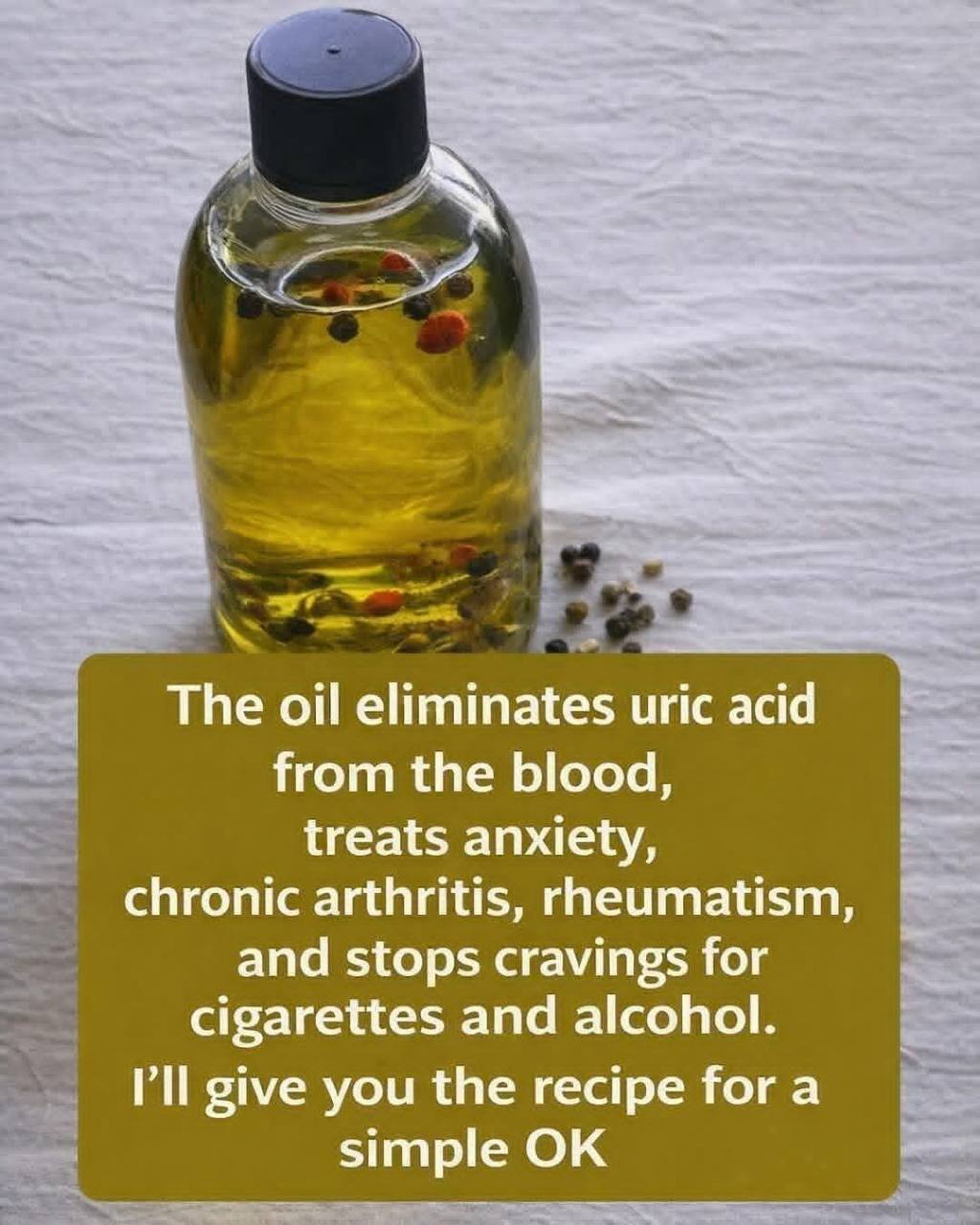
The image shows a bottle containing golden oil and small dark and reddish pieces resembling mixed peppercorns.
The exact ingredients cannot be confirmed from appearance alone, but mixed peppercorns are commonly used to flavor cooking oils.
Unlike medicinal oils or concentrated essential oils, this homemade version is intended strictly for culinary use.
Its main purpose is to add flavor to food.
Why Is Olive Oil So Popular?
Olive oil has been part of Mediterranean cooking for thousands of years.
It is commonly used in salads, vegetable dishes, sauces, and everyday meals.
Extra virgin olive oil is particularly appreciated for its distinctive flavor and naturally occurring plant compounds.
It contains mostly monounsaturated fats, including oleic acid.
Replacing some saturated fats with unsaturated fats can support a heart-healthy eating pattern.
Olive oil also contains small amounts of naturally occurring polyphenols.
However, adding peppercorns doesn’t transform olive oil into a treatment for chronic diseases.
Its greatest value remains its versatility as a cooking ingredient.
Ingredients for Homemade Pepper Infused Olive Oil
This simple recipe makes approximately one small bottle.
Ingredients
- 1 cup (240 ml) extra virgin olive oil
- 1 teaspoon completely dried black peppercorns
- ½ teaspoon completely dried white peppercorns, optional
- ½ teaspoon completely dried pink peppercorns, optional
- ¼ teaspoon dried red pepper flakes, optional
Equipment
- A small saucepan
- A cooking thermometer
- A fine-mesh strainer
- A clean, dry, food-safe glass bottle
- A funnel
Use commercially dried, food-grade spices.
Avoid adding fresh garlic, fresh herbs, or moist ingredients to homemade infused oil because improperly prepared flavored oils can create food safety risks.
Pink peppercorns are botanically different from true peppercorns and may not be suitable for everyone, including some people with relevant plant allergies. You can simply use black peppercorns if preferred.
How to Make Pepper Infused Olive Oil
Step 1 Prepare the Ingredients
Begin by measuring the olive oil and dried peppercorns.
Inspect the spices to make sure they are completely dry.
Avoid using peppercorns that appear damp or have an unusual smell.
For a stronger flavor, gently crush a few peppercorns using a mortar and pestle.
You don’t need to grind them into powder.
Breaking them slightly helps release their aroma.
Step 2 Prepare the Bottle
Wash the glass bottle and lid thoroughly.
Sanitize them using a suitable food-safe method.
Allow both pieces to dry completely.
Moisture should not be introduced into the infused oil.
A clean, dry container is important for maintaining the quality of the finished preparation.
Step 3 Heat the Olive Oil
Pour the olive oil into a small saucepan.
Heat carefully over low to medium-low heat.
Using a cooking thermometer, bring the oil to approximately 180°F (82°C).
Avoid allowing the oil to smoke.
Heating the oil helps extract flavor from the dried spices.
Step 4 Add the Peppercorns
Place the completely dried peppercorns in the prepared heat-safe container.
Carefully pour the hot oil over them, using appropriate protection against burns.
Follow safe hot-oil handling practices.
Allow the peppercorns to infuse as the oil cools.
The oil will gradually develop a warm, peppery aroma.
Step 5 Cool and Strain
Once the oil has cooled, pour it through a fine-mesh strainer.
Remove the peppercorns if you prefer a smooth finished oil.
Straining also prevents the pepper flavor from becoming excessively strong during storage.
Step 6 Store Properly
Transfer the finished oil to a clean, dry, airtight container.
For a cautious homemade approach, refrigerate it promptly and use it within one week.
Olive oil may become cloudy or thicken in the refrigerator. This is normal.
Allow the portion you need to return to a pourable temperature before serving.
Do not leave homemade oil containing fresh ingredients at room temperature. Improperly prepared infused oils can present a botulism risk, and dangerous contamination may not be detectable by smell or appearance.
What Makes Peppercorns Special?
Peppercorns are among the most widely used spices in the world.
Black pepper comes from the plant Piper nigrum.
Its characteristic pungency comes largely from a compound called piperine.
Researchers have investigated piperine for several biological properties.
However, experimental findings involving isolated piperine cannot automatically be applied to ordinary pepper-infused olive oil.
The concentration of compounds in homemade oil depends on the amount of pepper, preparation method, and infusion conditions.
For everyday cooking, peppercorns are primarily useful because they add flavor and aroma.
Can Pepper Oil Lower Uric Acid?
Uric acid is a substance produced when the body breaks down purines.
Most uric acid dissolves in the blood and is eventually eliminated through the kidneys.
However, excessive uric acid can sometimes contribute to the development of gout.
Gout is a form of inflammatory arthritis associated with urate crystal deposits in joints.
Some social media posts claim that homemade pepper oil can eliminate uric acid from the blood.
There is no reliable clinical evidence supporting this claim.
People with gout may benefit from dietary adjustments, hydration, and maintaining a healthy weight, but medication is often necessary to control uric acid levels.
Pepper-infused olive oil should not replace prescribed gout treatment.
Does Pepper Oil Help With Arthritis?
Arthritis is a broad term covering several conditions that affect the joints.
Osteoarthritis and rheumatoid arthritis are two examples, but they have different causes and treatment approaches.
Some compounds found in pepper have been studied for potential biological activity.
However, there is insufficient clinical evidence that homemade pepper-infused olive oil relieves chronic arthritis or repairs damaged joints.
Eating a balanced diet that includes sources of unsaturated fats can contribute to general health.
But no single cooking oil can be considered a cure for arthritis.
People experiencing persistent joint pain, swelling, or stiffness should seek appropriate medical evaluation.
Can Pepper Infused Oil Reduce Anxiety?
Anxiety can involve persistent worry, nervousness, physical tension, or other symptoms.
Its causes and severity vary considerably between individuals.
Although certain aromas and comforting routines may feel pleasant, there is no reliable evidence that pepper-infused olive oil treats anxiety disorders.
A relaxing cooking routine or enjoyable meal may contribute to a sense of well-being.
However, this is different from treating an anxiety condition.
People experiencing persistent or disruptive anxiety may benefit from professional support, psychological therapies, and other evidence-based approaches.
Avoid using concentrated pepper essential oils as a homemade anxiety treatment.
Does Pepper Oil Stop Cigarette or Alcohol Cravings?
Another claim sometimes associated with homemade herbal oils is that they can eliminate cravings for cigarettes or alcohol.
This is not supported by reliable scientific evidence.
Nicotine dependence and alcohol use disorder involve complex biological, psychological, and behavioral factors.
Effective smoking cessation approaches may include counseling, nicotine replacement therapy, or prescribed medication.
Alcohol use disorder can also be treated with professional counseling, medications, and ongoing support.
For someone who drinks heavily or regularly, suddenly stopping alcohol can cause dangerous withdrawal symptoms. Medical advice is important before attempting abrupt cessation.
Pepper-infused oil cannot replace these treatments.
It should be enjoyed as a culinary ingredient rather than a remedy for addiction.
Delicious Ways to Use Pepper Infused Olive Oil
One of the best things about homemade pepper oil is how versatile it can be.
Drizzle Over Roasted Vegetables
Add a small amount to roasted carrots, potatoes, zucchini, or broccoli.
The peppery flavor complements the natural sweetness of roasted vegetables.
Make a Simple Salad Dressing
Combine one tablespoon of pepper-infused olive oil with one tablespoon of lemon juice.
Add a little mustard and whisk until combined.
Pour over your favorite green salad.
Flavor Homemade Pasta
Drizzle a small amount over freshly cooked pasta.
Add grated Parmesan cheese and chopped parsley.
The result is a simple dish with a lovely aroma.
Serve With Bread
Pour a little pepper oil into a small dish.
Serve alongside fresh crusty bread.
This makes a delicious appetizer for family meals.
Add to Cooked Beans
A small drizzle can enhance the flavor of cooked white beans, chickpeas, or lentils.
It’s an easy way to make simple ingredients more interesting.
Three Easy Flavor Variations
Classic Black Pepper Oil
Use only dried black peppercorns.
This creates a straightforward, mildly spicy oil that works with many savory dishes.
Mixed Peppercorn Olive Oil
Combine dried black and white peppercorns.
The mixture creates a more complex pepper aroma.
Spicy Red Pepper Oil
Add a small amount of completely dried red pepper flakes.
This version provides more heat and works especially well with pizza and pasta.
Always use properly dried ingredients and follow safe oil preparation and storage practices.
Important Safety Precautions
Homemade infused oils require careful preparation.
Oil creates an environment with very little oxygen.
If moisture-containing ingredients are added and stored incorrectly, harmful bacteria may grow.
Botulism is a particularly serious concern with improperly prepared infused oils.
Using commercially dried spices is safer than adding fresh ingredients.
Never assume that heating, smell, taste, or appearance alone guarantees safety.
Pepper-infused olive oil is intended for food preparation.
It should not be applied to sensitive skin, open wounds, or irritated joints.
Pepper compounds can cause irritation, especially in concentrated preparations.
Avoid consuming large quantities of oil as a supposed medicinal treatment.
Frequently Asked Questions
Can pepper-infused olive oil lower uric acid?
There is no reliable evidence that homemade pepper oil lowers blood uric acid levels or treats gout.
Does pepper oil cure arthritis?
No. It is not a proven treatment for arthritis or chronic joint inflammation.
Can pepper oil treat anxiety?
No. Pepper-infused cooking oil has not been shown to treat anxiety disorders.
Does it help people quit smoking?
There is no reliable evidence that homemade pepper oil eliminates nicotine cravings.
Can I use regular olive oil?
Yes. Regular olive oil works well, although extra virgin olive oil has a more distinctive flavor.
Can I use ground black pepper?
Whole or lightly crushed peppercorns are generally preferable because they are easier to strain from the finished oil.
Can I add fresh garlic?
Fresh garlic requires specific safety precautions in infused oils because of botulism risk. For this simple recipe, use only the specified dried spices.
Can I use the oil for massage?
This recipe is intended for cooking, not skin application. Pepper-infused oils may irritate the skin.
How should I store homemade pepper oil?
Keep it in a clean, airtight container, refrigerate it promptly, and use it within one week for this conservative homemade recipe.
Final Thoughts
Homemade pepper-infused olive oil is a simple way to add extra flavor to your favorite meals.
The combination of olive oil and aromatic peppercorns creates a versatile ingredient for salads, roasted vegetables, pasta, and homemade bread.
Although the ingredients contain interesting natural compounds, claims that this oil eliminates uric acid, cures arthritis, treats anxiety, or stops cigarette and alcohol cravings are not supported by reliable clinical evidence.
The best approach is to enjoy pepper-infused olive oil for what it does well: making everyday food taste delicious.
Prepare a small batch, follow safe storage practices, and experiment with its warm, peppery flavor in your favorite recipes.
Sometimes the most useful homemade preparations are the ones that make simple meals a little more enjoyable.