There is something wonderful about simple skincare ingredients that have been used in homes for generations. Long before shelves were filled with expensive creams and complicated beauty products, people turned to plants for everyday skin care.
One of the most popular examples is aloe vera.
Its thick, transparent gel has a naturally refreshing texture that makes it appealing for moisturizing and soothing the skin.
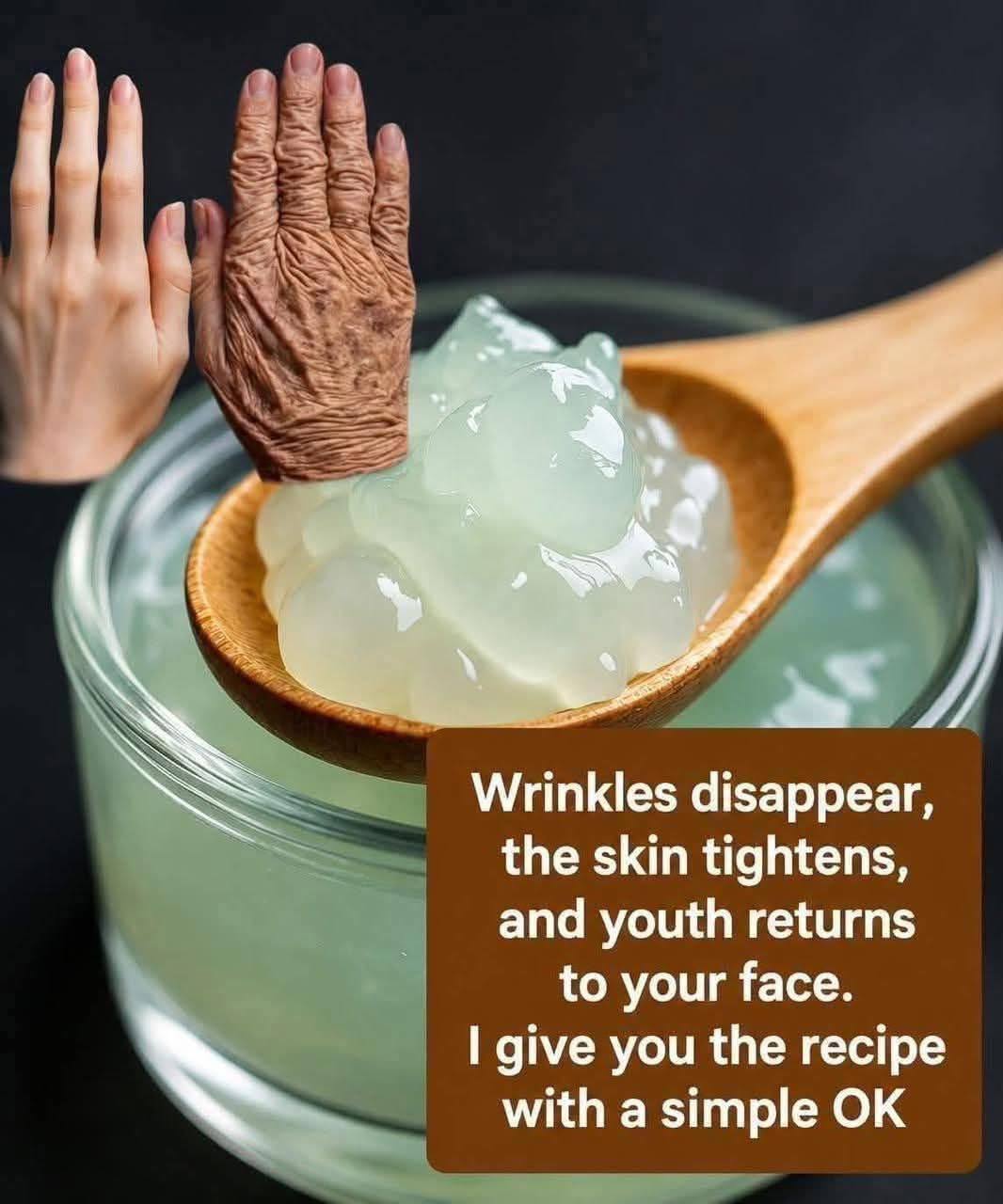
You may have seen pictures claiming that homemade aloe vera gel can erase wrinkles, tighten loose skin, and make someone look decades younger.
While these promises sound exciting, the reality is more interesting and a little more practical.
Aloe vera can help hydrate the skin and may provide temporary soothing effects. However, it cannot completely remove wrinkles or reverse the natural aging process.
The good news is that you can still enjoy aloe vera as part of a gentle, affordable skincare routine.
Here is how to prepare it carefully, use it properly, and understand what it can realistically do for your skin.
Why Aloe Vera Is Popular in Skincare
Aloe vera is a succulent plant known for its thick, fleshy leaves.
Inside each leaf is a clear, slippery gel containing mostly water, along with small amounts of polysaccharides and other naturally occurring compounds.
This gel is widely used in moisturizers, lotions, and soothing skincare products.
One reason people enjoy aloe vera is its lightweight consistency.
Unlike heavy creams, aloe gel spreads easily and generally leaves a refreshing feeling.
It can be particularly pleasant during warm weather or whenever the skin feels dry.
However, the moisturizing effect varies depending on the formulation, skin type, and how frequently it is applied.
Can Aloe Vera Help Reduce the Appearance of Wrinkles?
Wrinkles develop naturally as the skin ages.
Over time, the skin produces less collagen and elastin, two structural proteins that help maintain firmness and elasticity.
Sun exposure, smoking, genetics, and environmental factors can also influence the appearance of fine lines.
Aloe vera gel may temporarily make the skin appear smoother by improving surface hydration.
When skin is adequately moisturized, some fine lines caused by dryness can become less noticeable.
However, this does not mean that aloe vera rebuilds lost collagen or permanently tightens sagging skin.
Some small studies have explored aloe vera preparations and skin elasticity, but the evidence is not strong enough to promise dramatic anti-aging results.
For realistic skincare, it is better to think of aloe vera as a moisturizing ingredient rather than a natural alternative to cosmetic procedures.
Benefits of Aloe Vera for Everyday Skin Care
Helps Hydrate Dry Skin
Aloe vera gel contains a high percentage of water.
When applied to the skin, it can provide a refreshing layer of moisture.
For people with dry skin, aloe vera may work best when followed by a fragrance-free moisturizer that helps reduce water loss.
This combination can leave the skin feeling softer and more comfortable.
Provides a Cooling Sensation
The gel’s watery texture creates a pleasant cooling sensation.
Many people enjoy using aloe-based products after spending time outdoors.
However, aloe vera should not replace appropriate care for serious sunburns or other skin injuries.
May Soothe Mild Skin Discomfort
Some aloe-based skincare products are formulated to help soothe minor dryness or irritation.
Individual reactions vary, and not everyone tolerates fresh aloe vera gel.
A patch test is important before applying it to larger areas.
Offers a Lightweight Skincare Option
People who dislike heavy creams sometimes prefer the texture of aloe vera.
It spreads easily and can be incorporated into a simple morning or evening routine.
Choose products without added fragrance if your skin is sensitive.
How to Prepare Fresh Aloe Vera Gel at Home
The photograph shows a translucent, jelly-like substance resembling aloe vera gel.
The exact ingredients cannot be confirmed from the image alone, but fresh aloe vera is one possible way to create a similar texture.
Preparing gel at home requires care because aloe leaves contain more than one substance.
The clear inner gel is different from the yellow latex found just beneath the outer leaf.
Aloe latex contains compounds that may irritate the skin and can be harmful if swallowed.
For this reason, commercially prepared, purified aloe vera skincare gel is generally a safer and more consistent choice.
If you still prefer fresh aloe, follow these steps for external use only.
Ingredients and Materials
- 1 mature leaf from a correctly identified Aloe vera plant
- Clean drinking water
- A clean cutting board
- A sharp kitchen knife
- A clean spoon
- A small sanitized container
No lemon juice, baking soda, essential oils, or strong fragrances are needed.
These additions may irritate sensitive facial skin.
Step 1 Choose a Healthy Aloe Leaf
Select a healthy, mature leaf from a correctly identified Aloe vera plant.
Avoid leaves that show signs of mold, decay, or insect damage.
Wash the outside thoroughly.
Make sure your hands and utensils are clean before beginning.
Step 2 Remove the Yellow Latex
Cut the leaf near its base and place it upright, with the cut end facing downward, to allow the yellow liquid to drain.
This yellow substance is aloe latex, not the clear gel used in ordinary skincare.
Draining alone does not guarantee complete latex removal.
The latex-containing outer portions must also be carefully removed.
Step 3 Remove the Outer Skin
Place the leaf on a clean cutting board.
Trim away the spiny edges.
Carefully remove the green outer skin with a knife.
Try to separate the clear inner gel from the yellow layer beneath the rind.
If yellow material remains mixed with the gel, discard that portion.
Step 4 Collect the Clear Gel
Use a clean spoon to lift out the transparent inner gel.
Place it in a sanitized bowl.
Avoid including pieces of green skin or yellow latex.
The gel should appear mostly clear and slippery.
Step 5 Prepare the Texture
For a smoother consistency, gently stir the gel with a clean spoon.
A brief blend can also make it more uniform, although blending may introduce bubbles.
Do not add ingredients simply to make the mixture look thicker.
Fresh homemade aloe gel is not a preserved cosmetic product and can become contaminated quickly.
Prepare only a small amount for immediate use and discard any leftovers rather than storing them for days.
How to Apply Aloe Vera Gel to Your Face
Before applying fresh aloe vera to your face, test a small amount on an inconspicuous area of skin.
Wait 24–48 hours and watch for redness, itching, burning, or swelling.
If irritation develops, wash it off and discontinue use.
If the patch test causes no reaction, follow these simple steps.
- Wash your face with a gentle cleanser.
- Pat your skin dry using a clean towel.
- Apply a thin layer of gel to intact skin, avoiding the eyes and lips.
- Leave it on briefly, approximately 5–10 minutes.
- Rinse with lukewarm water.
- Apply your usual fragrance-free moisturizer.
Avoid using homemade aloe gel on broken, infected, or severely irritated skin.
For regular leave-on skincare, a properly formulated commercial product is preferable because it is manufactured with preservation and quality controls.
Can Aloe Vera Remove Dark Spots?
Dark spots can develop for several reasons.
Common causes include sun exposure, acne-related pigmentation, hormonal changes, and natural aging.
Aloe vera contains compounds that have attracted research interest for their possible effects on pigmentation.
However, evidence that homemade aloe gel reliably fades dark spots is limited.
Daily sun protection is far more important for preventing many forms of sun-related discoloration.
Using a broad-spectrum sunscreen with SPF 30 or higher can help protect the skin from additional ultraviolet damage.
Persistent or changing dark spots should be evaluated by a qualified healthcare professional.
Aloe Vera for Hands and Neck
The hands and neck are often exposed to sunlight and environmental conditions.
They can develop dryness, uneven pigmentation, and visible wrinkles over time.
A gentle aloe-based moisturizer may help keep these areas hydrated.
However, it will not restore aged skin to the appearance of much younger skin.
For the hands, apply moisturizer after washing.
For the neck, use gentle skincare products and extend daily sunscreen application to exposed areas.
Consistency matters more than complicated homemade mixtures.
Why Some Homemade Beauty Recipes Cause Problems
Social media frequently recommends mixing aloe vera with lemon juice, baking soda, toothpaste, or concentrated essential oils.
These combinations are not automatically beneficial.
Lemon juice can irritate the skin and may contribute to reactions associated with sunlight exposure.
Baking soda is alkaline and can disrupt the skin’s naturally acidic protective barrier.
Toothpaste contains ingredients intended for cleaning teeth, not for facial skincare.
Concentrated essential oils can cause allergic contact dermatitis.
A simple, gentle skincare routine is usually preferable to experimenting with harsh combinations.
Other Ways to Support Healthy Looking Skin
Aloe vera is only one small part of skincare.
Several everyday habits have stronger evidence for maintaining healthy skin.
Use Sunscreen Daily
Ultraviolet exposure contributes to premature skin aging, including wrinkles and uneven pigmentation.
Broad-spectrum sunscreen, protective clothing, and shade can reduce unnecessary exposure.
Keep Your Skin Moisturized
A good moisturizer helps maintain the skin barrier.
Look for ingredients such as glycerin, ceramides, or hyaluronic acid.
These ingredients can help improve the appearance and comfort of dry skin.
Eat a Balanced Diet
Adequate protein, fruits, vegetables, and healthy fats support normal body functions, including skin maintenance.
Vitamin C is involved in normal collagen formation.
However, no individual food can guarantee wrinkle-free skin.
Get Enough Sleep
Sleep supports general health and normal tissue maintenance.
A consistent sleep routine may also help you feel more refreshed.
Avoid Smoking
Smoking contributes to premature skin aging and has numerous other health consequences.
Avoiding tobacco is one of the most valuable choices for long-term health.
Frequently Asked Questions
Can aloe vera erase wrinkles permanently?
No. Aloe vera may temporarily improve skin hydration, making some dryness-related fine lines less noticeable, but it cannot permanently erase wrinkles.
Can I apply aloe vera to my face every day?
Some people tolerate properly formulated aloe-based products daily. Fresh homemade gel carries additional risks of irritation and contamination, so patch testing and caution are important.
Does aloe vera tighten loose skin?
There is insufficient evidence that topical aloe vera meaningfully tightens sagging skin.
Is aloe vera suitable for mature skin?
Aloe-based moisturizers can be used by adults of different ages, provided the formulation suits their skin type.
Can I leave homemade aloe vera gel overnight?
It is better not to leave unpreserved homemade gel on your face overnight. A commercially formulated product intended for leave-on use is a more reliable option.
How long does it take to notice results?
A moisturizing effect may be noticeable shortly after application, but permanent wrinkle removal should not be expected.
Is aloe vera safe around the eyes?
Avoid applying fresh aloe gel directly into the eyes or too close to the eyelids, where irritation may occur.
Final Thoughts
Aloe vera remains a popular ingredient in skincare because of its refreshing texture and moisturizing properties.
Although photographs may suggest dramatic transformations, homemade aloe gel cannot turn back time or completely eliminate wrinkles.
What it can offer is a simple way to enjoy the feel of a botanical skincare ingredient, provided it is prepared and used carefully.
For the best long-term results, combine gentle moisturizing with daily sun protection, balanced nutrition, and healthy lifestyle habits.
Healthy-looking skin does not require unrealistic promises.
Sometimes, the most effective routine is also the simplest.